

Key Takeaways
Strategic palletizing can lead to enhancements in warehouse productivity by as much as 25%, primarily by streamlining workflows and boosting operational throughput.
Efficient pallet layout has the potential to improve inventory management and maximize storage space utilization by up to 40%, which ensures that products are easily accessible.
Automated palletizing helps reduce order errors significantly, by around 30%, which boosts accuracy and strengthens customer trust through fewer product returns.
An advanced pallet design allows for storing larger quantities of goods, which ultimately lowers operational costs and enhances space utilization in warehouses.
Investing in contemporary palletizing techniques can yield up to a 40% boost in workforce productivity, while also alleviating ergonomic stressors and preventing workplace injuries.
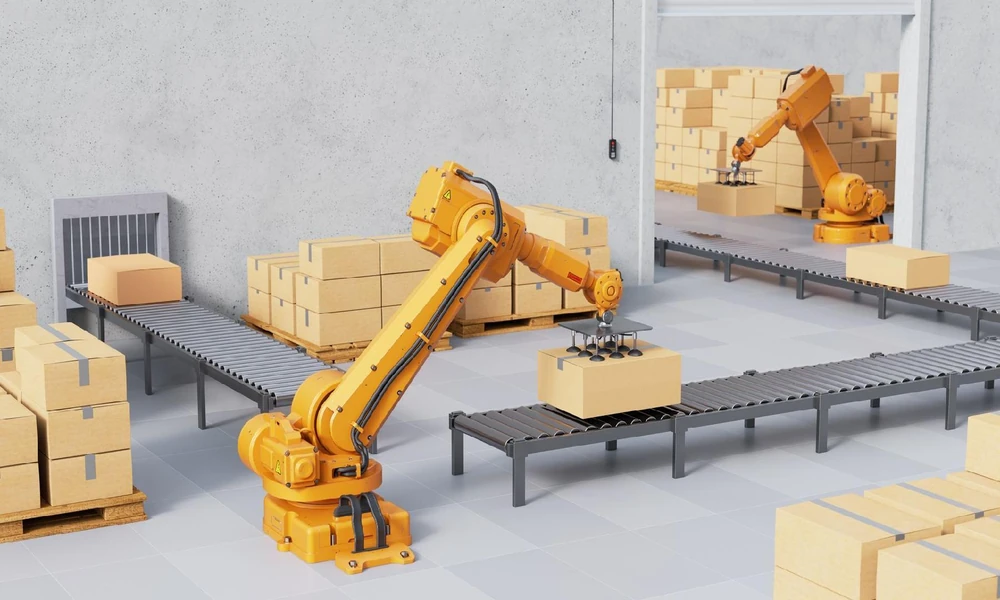
Integrating robotics and AI in palletizing processes can optimize operations by predicting stacking patterns and adjusting to real-time conditions, thereby enhancing efficiency and reliability.
The emergence of Smart Palletizing Systems enables the development of interconnected logistics networks, which provide real-time insights, improving decision-making and responsiveness to market demands.
Revolutionizing Warehouse Operations with Efficient Palletization
How Strategic Palletizing Boosts Productivity Levels
Warehouses are inherently dynamic environments, filled with complexity and ever-growing demands. Strategic palletizing can redefine productivity through the streamlining of workflows and enhancement of operational throughput. When the right pallet configuration is employed, businesses can markedly shorten loading durations and elevate cycle times. This approach goes beyond simple adjustments; it transforms warehouse operations fundamentally. Evidence indicates that companies applying effective palletizing strategies might achieve up to a 25% increase in output. However, it’s not only about automating the palletizing process; strategic placement and arrangement of goods on pallets also play a critical role in driving substantial gains.
Picture a facility where products flow effortlessly from receiving to shipping. Teams operate fluidly, tackling tasks that previously took up nearly half their shifts. What’s the secret sauce? A carefully crafted palletizing design tailored to specific workflows and storage solutions.
Effective pallet configurations can vary based on product types. Whether handling bulky items or delicate packages, a customized approach to palletization guarantees both safety and efficiency.
- Reducing Clear-Path Obstructions
- Minimizing Manual Labor Tasks
- Implementing Advanced Software Solutions
All of these factors contribute to a finely tuned operation. As employers deepen their understanding of workflows, they often notice a cultural transformation-one where productivity thrives due to elevated employee morale and job satisfaction.
Maximizing Space: The Role of Palletizing in Inventory Management
Space is a precious commodity in any warehouse. The role of palletizing extends beyond mere stacking; it involves the careful organization that maximizes the use of available square footage. An efficient pallet layout translates directly into improved inventory management and accessibility, positioning products exactly where they are needed, exactly when they are needed.
Organizing stock in ways that reduce travel distances while maximizing accessibility is essential. It’s not simply about cramming more items in-it’s about doing so intelligently. Surveys indicate that proper vertical stacking on pallets can yield as much as 40% improvements in storage space utilization. In the world of warehousing, that’s valuable real estate that certainly shouldn’t be squandered!
Recognizing the various pallet sizes and configurations available can provide significant benefits. Clients often seek expert guidance when selecting the right pallet format. Here are a few common solutions:
- Standard pallets for general goods
- Euro pallets tailored for compact storage
- Custom pallets for specialized products
By leveraging this knowledge, clients will see previously cramped spaces transform into more effective inventory layouts.
Streamlined Supply Chain: The Hidden Advantage of Modern Palletizing
Impact of Automated Palletizing on Order Fulfillment
In the fast-paced marketplace of today, order fulfillment speed often equates to customer satisfaction. Automated palletizing systems provide a marked advantage, reshaping the supply chain landscape. Automation doesn’t merely accelerate productivity; it also enhances accuracy. Fewer human errors facilitate fewer product returns, boosting customer trust.
Automation brings a level of precision that manual systems struggle to achieve. Systems equipped with sensors and vision technologies ensure items are appropriately placed on pallets. Researchers suggest that companies can experience as much as a 30% reduction in order errors post-automation. That’s a significant saving on returns and customer service interventions!
Continuous investment in associated technologies strengthens the supply chain. Smooth integration with existing management systems enhances overall operational intelligence. Armed with comprehensive data on inventory levels, companies can swiftly respond to fluctuations in demand, ensuring they consistently meet customer expectations.
- Increased throughput rates
- Consistent quality control
- Enhanced data collection for inventory management
The ramifications of this transformation impact everyone in the chain. As fulfillment speeds increase, customer satisfaction and retention rates subsequently rise.
Enhancing Speed and Accuracy in Distribution Centers
Distribution centers that adopt smart palletizing systems notice widespread benefits across their operations. For those prioritizing speed and accuracy, the rewards are powerful. Think about the typical order fulfillment process. With an optimized palletizing design, products can move quickly, avoiding the bottlenecks that often plague manual handling.
Research illustrates that implementing advanced palletization techniques can accelerate throughput by approximately 50%. So, why wouldn’t businesses seize this opportunity? Emphasizing smooth transitions between various processes-picking, packing, shipping-can significantly increase delivery speeds.
Consider integrating RFID technology with palletizing systems. This integration allows managers to track products in real time, vastly improving tracking accuracy and inventory management. With enhanced visibility, clients are able to adjust stock levels consistently, which reduces waste and boosts stock turnover.
- Utilizing mobile scanning for updates
- Adopting palletization software that interacts seamlessly with existing systems
- Using predictive analytics to enhance processes
The success of these strategies relies heavily on a client’s commitment to ongoing improvement. Consistent reassessment of palletization effectiveness fosters industry-leading practices that drive overall performance.
Cost Savings Through Optimized Palletizing Techniques
Identifying the Economic Benefits of Efficient Pallet Loading
The pursuit of cost savings fuels numerous operational decisions. Assessing the economic benefits of efficient pallet loading illustrates how well-planned pallet design can dramatically reduce overhead expenses. Organizations often find that prudent investments in effective palletization yield substantial returns. By reallocating labor resources wisely, businesses frequently uncover significant reductions in operational costs.
Improved pallet designs accommodate the storage of larger quantities of goods without necessitating additional space. This approach directly translates into lowered overhead related to warehousing. What business wouldn’t want to minimize rental expenditures on prime real estate?
Another financial advantage is the reduction of product damage. Streamlined palletization techniques safeguard goods, resulting in diminished spoilage rates. Hence, companies anticipate fewer customer complaints and lower product replacement costs, directly benefiting profit margins. Here are some notable advantages:
- Increased storage capacity
- Lower product damage rates
- Reduced manpower costs and operational inefficiencies
Cost considerations remain paramount, particularly during downturns. By embracing optimized pallet loading practices, companies often find resilience woven into their operations.
Reducing Labor Costs: How Palletizing Meets Workforce Challenges
Labor shortages coupled with rising wages create considerable challenges for many in the industry. The smart solution? Refine the palletizing process to confront these workforce challenges effectively. By adopting automation, companies combine both efficiency and reliability while alleviating the pressures stemming from fluctuating labor costs.
However, it’s not solely about finding economical labor solutions; companies also have the chance to enhance roles for existing employees. By offloading lower-value tasks to machines, teams can redirect their focus toward high-value activities that inspire growth and elevate the overall work atmosphere. Workers appreciate roles that enable them to leverage their strengths.
Clients often report improvements in workforce productivity of up to 40% after implementing modern pallet systems. Furthermore, reduced ergonomic stressors lead to fewer workplace injuries, which can lower insurance premiums. Who wouldn’t want to tap into that potential?
- Reassigning routine tasks to automation
- Ensuring ergonomic safety and best practices
- Investing in employee training to maximize system efficiency
Beyond merely cutting labor costs, a refined approach to palletization enhances employee satisfaction, retention, and overall productivity.
Innovative Technologies Driving the Future of Palletization
Exploring Robotics and AI in the Palletizing Process
Current technological advancements are ushering in a new age. Robotics and AI are propelling the future of palletization, making processes faster and more dependable. Automated systems equipped with vision sensors and intelligent analysis software markedly elevate the efficiency and reliability of palletizing tasks.
Organizations implementing AI in their palletizing processes frequently observe reduced cycle times and enhanced accuracy. These technologies can analyze product types and anticipate optimal stacking patterns in real time. Furthermore, these innovations are becoming increasingly accessible, allowing businesses of all sizes to benefit.
Advanced robotics can seamlessly navigate complex warehouse environments, freeing human workers to concentrate on strategic initiatives rather than repetitive tasks. Being prepared for the future isn’t just about having cutting-edge equipment; it involves integrating systems that adapt and learn.
- Investing in transitional technology
- Utilizing AI algorithms for optimal process configuration
- Integrating robotic arms for precise handling
With these components in place, clients can gain a significant competitive advantage. In a world where shopper expectations are continually evolving, aligning with technology yields substantial dividends.
The Future of Smart Palletizing Systems and Their Impact
As smart systems develop, the landscape shifts once again. The rise of Smart Palletizing Systems represents a pivotal change. These systems function as integral parts of interconnected networks, where each component communicates and optimizes its role within the supply chain. Such integration leads to near-real-time insights that inform decision-making surrounding inventory, shipment, and resource allocation.
Looking forward, professionals are optimistic that these endeavors will continue to define industry success stories. The convergence of IoT and palletizing presents avenues for cutting costs while enhancing service levels. A sense of agility emerges within organizations, empowering them to respond effortlessly to unpredictable demand surges.
This evolution underscores how agility and foresight enhance customer experiences. Centralized control becomes crucial. Organizations can leverage these systems to identify and pivot quickly in response to immediate market requirements. Innovative solutions position businesses firmly back in the driver’s seat.
- Embracing interconnectivity in logistics
- Utilizing data analytics for actionable insights
- Implementing adaptive strategies for evolving market needs
Innovative technologies have just started to shift perceptions surrounding palletization. Making strategic adjustments now ensures that businesses are well-positioned for the future.
FAQ
What industries can benefit the most from improved palletization?
Any sector that depends on warehouse operations can derive significant advantages from effective palletization. Retail, manufacturing, and food distribution often achieve the most meaningful results due to their substantial reliance on efficient logistics and storage strategies.
Are there specific technologies to consider for enhancing palletization?
Businesses typically investigate technologies such as RFID for tracking purposes, advanced warehouse management systems for organization, and the integration of AI for predictive analytics. These technologies collaborate to optimize palletization processes, promoting better decision-making and efficiency.
How does effective palletization influence employee satisfaction?
When organizations streamline their palletizing processes, employees often encounter reduced physical strain and more engaging responsibilities. By reallocating repetitive tasks to automated systems, workers can focus on more significant initiatives, enhancing morale and satisfaction in the workplace.
What role does training play in achieving successful palletization?
Training is essential for maximizing the advantages of contemporary palletizing systems. Employees well-versed in the latest technologies contribute to better operational outcomes, enhancing efficiency while ensuring they handle systems safely and effectively.
Can smaller businesses implement advanced palletizing systems?
Definitely. Many advanced palletizing solutions are designed to be scalable, accommodating businesses of various sizes. Smaller firms can thrive by selecting modular technologies that boost efficiency without necessitating an entire overhaul of current operations.
What are some common features of modern palletizing software?
Modern palletizing software often boasts features such as real-time inventory tracking, seamless integration with existing management systems, and sophisticated data analytics capabilities. These tools empower companies to make informed choices and quickly adapt to market shifts.
How can businesses measure the effectiveness of their palletizing efforts?
Companies can gauge effectiveness using metrics like diminished order errors, heightened throughput rates, and improvements in worker productivity. Analyzing these indicators offers valuable insights into the impact of enhanced palletization strategies.
What future trends should businesses watch in palletization technology?
Key trends include an increasing reliance on artificial intelligence for decision-making, enhanced interconnectivity of systems through IoT, and advanced robotics capable of navigating intricate environments. Keeping abreast of these trends is vital for sustained competitiveness in the logistics arena.