

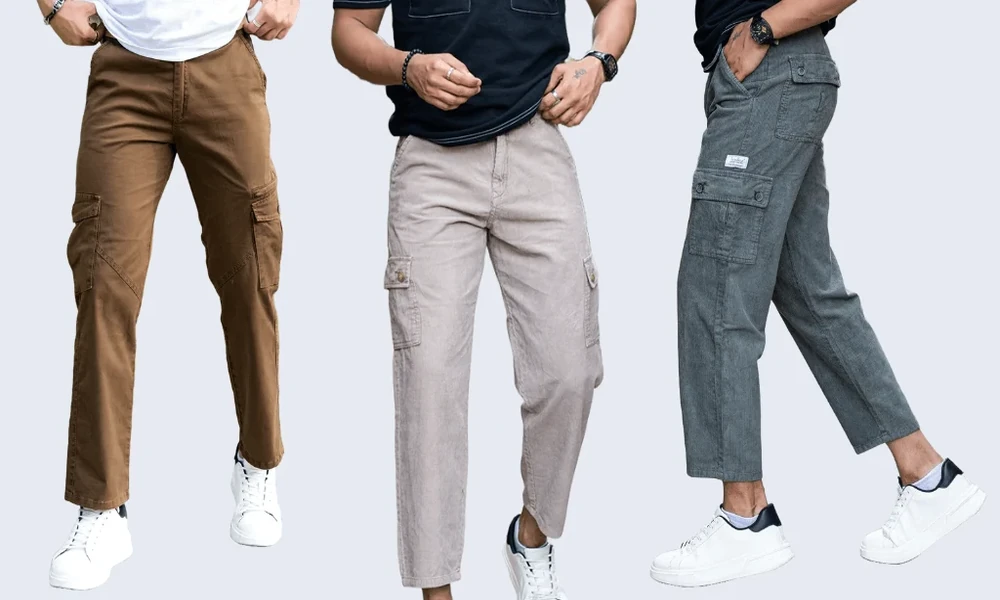
Bottomwear carries more of an outfit than it gets credit for. A pair that pinches at the waist or needs constant adjusting will stay unused, even if it looked perfect online. The most useful trousers, track pants, and relaxed bottoms are the ones that suit both your body and the way your week actually runs.
Bottomwear Style and Use Reference
| Style | Good For | Try It With |
| Straight trousers | Work and smart casual | Shirts, knit tops |
| Track pants | Travel and active days | T-shirts, sweatshirts |
| Joggers | Casual weekends | Tees, sneakers |
| Relaxed shorts | Warm weather | Polos, casual shirts |
Start With the Days You Dress For
Think about where your jogger track pants need to take you. Office days call for a cleaner line, while errands, workouts and travel usually need more stretch and pocket space. If you are considering Joggers Track Pants, picture the full day around them rather than one styled photograph. That helps you judge whether the fabric, shape and detailing really belong in your routine.
Get the Waist and Rise Right
A good fit starts at the waist. The waistband should stay in place when you sit, walk, and bend, without cutting in or sliding down. Rise also changes how a pair feels. Mid-rise shapes are easy for many wardrobes, while higher rises can work well with tucked or cropped tops. Comfort at the waist matters more than a number on the size tag.
Check the Fabric for the Job
Cotton blends are comfortable and familiar for everyday use, while stretch fabrics are handy on active days. Heavier materials may look sharper, but they can also feel warmer. When comparing Teamspirit Track Pants, look beyond colour and check the fabric composition, cuff style and pocket construction. Those details tell you more about where the pair will work.
Use Shoes to Test Versatility
Try each bottom with the shoes you already wear most. A trouser may look balanced with loafers but bunch with trainers; a jogger may work with sneakers but feel too casual with smarter shoes. If one pair works with two or three regular footwear choices, it will probably earn more wear.
Watch What Happens After Sitting
The fitting-room mirror only shows one moment. Sit down, bend a knee, and take a few steps. Look for pulling at the thigh, gaping at the waist, or fabric that creases badly. A useful pair should still feel comfortable after movement, because that is how you will actually wear it.
To Wrap Up
Good bottomwear is less about owning every cut and more about having a few pairs that suit different parts of your week. Prioritise waist comfort, useful fabric, easy shoe pairings and movement. Once those are right, the rest of the outfit usually falls into place. Before adding another option, compare it with something you already own and ask what new job it will actually do.
FAQs
1. Which cut suits most builds?
Straight or regular. The fabric falls away from the leg rather than following it, which forgives a heavier thigh where slim pulls at the seam.
2. Can I use cotton for the gym?
Not comfortably. Cotton absorbs sweat and stays wet against the skin, whereas synthetic wicking fabric moves it to the surface to evaporate.
3. Why does my waistband roll down?
It is too narrow. A wide flat band lies comfortably where a narrow elastic one folds over at the front during movement.
4. How do I get the length right?
Read the inseam in inches rather than judging from a photograph. Model height distorts how a hem appears more than anything else.
5. What ruins activewear fastest?
Fabric softener and heat. Softener destroys the wicking finish, and heat breaks down elastane, which never recovers once gone.