

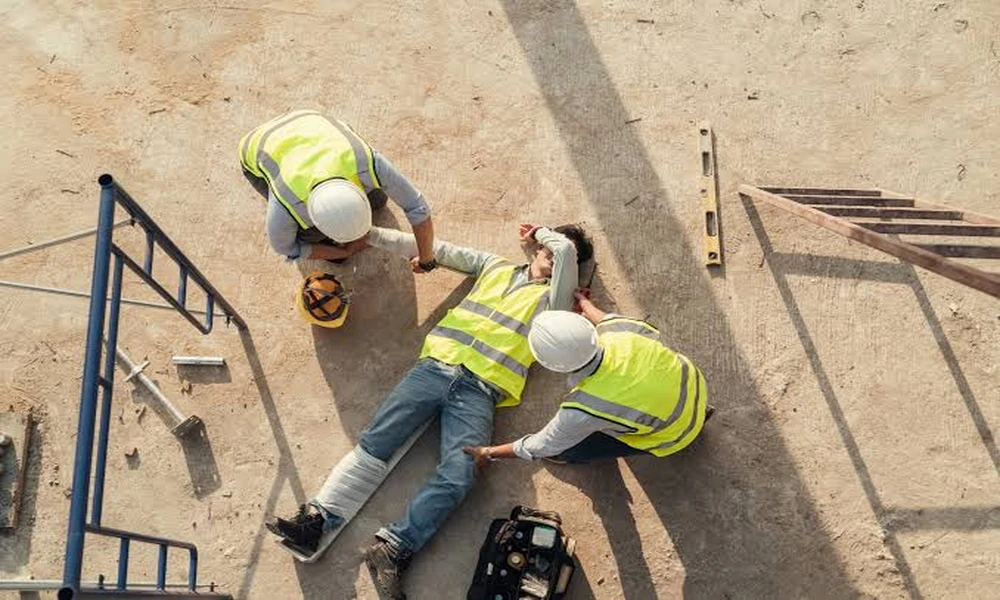
Evidence from a construction site can change faster than many people realize. Equipment gets moved, debris is cleared, repairs are made, and crews may leave for another project within days. A construction accident lawyer reviews these details early because the strongest facts are often found before the site looks different.
Jobsite Photos Can Show Conditions Before Cleanup Happens
Photos often give a construction accident attorney a clear view of the scene before hazards are removed. Images may show broken ladders, missing guardrails, open floor holes, uneven surfaces, loose cords, scattered materials, or damaged safety equipment. A single photo can help explain where the person stood, what task was being performed, and what condition may have caused the injury.
Close-up and wide-angle photos both matter. Close images show details such as cracks, missing labels, or damaged parts, while wider shots show distance, lighting, access points, warning signs, and nearby workers. A construction accident lawyer in Huntsville AL may compare these photos with witness statements, safety rules, and the official incident report.
Incident Reports Help Establish the First Written Timeline
Incident reports usually contain the first formal version of what happened. These reports may list the date, time, location, people involved, supervisor notes, and a short description of the construction accident. Early reports can be useful because they were often created before outside parties had time to shape the story.
Careful review looks for missing facts, vague language, or differences between the report and the injured person’s account. A personal injury attorney may also check who prepared the report and whether it was completed right away. Small details in the first written record can affect how the claim is understood later.
Witness Statements Can Fill Gaps in the Story
Witnesses may notice safety problems that the injured person never saw. A coworker might remember a warning that was ignored, a machine that sounded wrong, or a supervisor who knew about the hazard earlier. These accounts can help connect the unsafe condition to the injury.
Equipment Records May Reveal Maintenance or Safety Problems
Construction equipment can carry its own paper trail. Forklifts, lifts, scaffolds, cranes, saws, nail guns, ladders, and trenching systems may have inspection logs, rental records, manuals, service notes, or repair history. A construction accident lawyer may review these documents to see whether a machine was safe to use.
Mechanical failure is not always obvious from the outside. Missing guards, worn brakes, weak hydraulics, defective switches, or poor maintenance may contribute to a serious injury. An injury lawyer may also look at whether the worker received proper training before using the equipment.
Site Rules and Safety Plans Can Show Who Had Control
Construction sites often have written safety plans that explain how hazards should be handled. These rules may cover fall protection, trench safety, electrical work, traffic control, personal protective equipment, and equipment operation. A Huntsville personal injury lawyer may use these documents to compare what should have happened with what actually happened.
Responsibility often depends on control. A general contractor, subcontractor, property owner, or equipment company may have had authority over the area or task involved. Contracts, daily logs, and safety meeting notes can help show who had the power to prevent the unsafe condition.
Medical Records Connect the Injury to the Accident
Medical evidence helps show how the construction accident affected the injured person. Emergency room notes, imaging results, surgery records, therapy plans, prescriptions, and doctor restrictions can document the injury from the first treatment visit forward. These records also help explain pain, recovery time, and work limitations.
Consistent medical care can make the evidence clearer. Gaps in treatment may give insurance companies room to question the claim, even when the injury is real. A personal injury lawyer often reviews medical records alongside the jobsite evidence to connect the event, diagnosis, and long-term impact.
Digital Evidence May Add Details People Forgot
Phones, cameras, jobsite apps, emails, text messages, GPS records, and security footage can all contain useful information. Digital records may show who was present, when equipment arrived, when a warning was sent, or how the site looked before the accident. These details can be especially helpful when memories conflict.
Expert Review Can Explain Technical Site Issues
Complex cases may require engineers, safety specialists, medical experts, or construction professionals to explain technical details. These experts can review equipment failures, fall hazards, structural problems, OSHA-related issues, or whether a safer method should have been used. Their opinions can help turn confusing site evidence into understandable facts.
Jobsite evidence can be difficult to sort through without legal guidance, especially after equipment has been moved, reports have been filed, and insurance questions begin. The Lackey Law Firm can step in to help organize the facts, identify who may be responsible, and build a clearer path forward for injured workers or visitors who need support after a construction accident.