

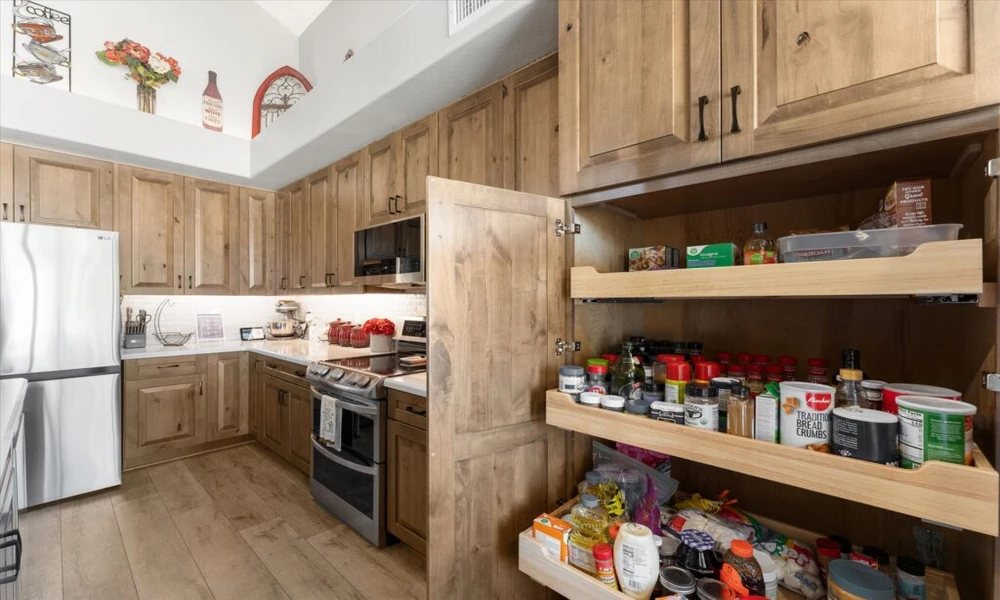
A kitchen should do more than just serve the needs of daily life; it deserves to become a backdrop for memories, a stage for creativity, and a statement of personal style. Creating such a space requires a careful balance between function and beauty, and that’s where custom kitchen design steps in as a game-changer.
What Makes a Kitchen Both Functional and Stylish?
The heart of a home thrives on both efficiency and ambiance. Functionality in kitchen design is all about optimizing workflow, ensuring that frequently used items are within easy reach, and adapting layouts to suit how you really cook and gather. Countertop space matters, but so does the way storage, appliances, and lighting are arranged. No detail is too small when the goal is seamless movement and effortless use.
Then comes style, the visual soul of the kitchen. The right finishes, textures, and color palette can transform a practical zone into a welcoming haven. Whether it’s the warmth of wood cabinetry, statement lighting, or minimalist lines, aesthetics elevate the everyday into something memorable. The real magic happens when practical needs and visual appeal support each other, not compete.
Why Choose Custom Kitchen Design Over Standard Options?
Cookie-cutter solutions rarely fit unique lifestyles or challenging spaces. Custom kitchen design allows you to address awkward layouts, unusual storage needs, or even the quirks of heritage homes. The result is a tailored environment that feels made for you because it truly is.
Personalized ergonomics and layout are a cornerstone of custom work. When cabinets, counters, and appliances are positioned just right, even a modest kitchen can become a joy to use. Over time, this attention to detail enhances the space’s value, making your kitchen not just beautiful, but a wise investment too.
How Does the Custom Kitchen Design Process Unfold?
It all starts with a genuine conversation. Designers listen, ask questions, and get to know how you cook, entertain, and live. This initial consultation uncovers priorities and dreams, setting the project in the right direction.
From there, planning gets granular. Measurements are taken, layouts are mapped out, and material samples are considered. Every decision balances practical needs with design intent. Once details are locked in, project management takes over, coordinating tradespeople, ordering materials, and keeping the process on track. At every stage, clear communication and meticulous oversight prevent the kinds of headaches that can otherwise derail renovations.
What Are the Key Design Principles for a Custom Kitchen?
Smart kitchens make the most of every square inch without sacrificing personality. Space is maximized through clever cabinetry, pull-out pantries, and multi-functional islands. Choosing durable and sustainable materials is equally important; a kitchen should stand up to daily life while still feeling fresh years down the line.
Technology now plays a starring role. Integrated charging stations, touchless faucets, and smart appliances are woven into the design, making routines more efficient and keeping clutter at bay.
How Do Experts Ensure Ergonomics and Practicality?
The classic work triangle (sink to stove to refrigerator) remains a guiding principle. When these zones are logically connected, meal prep flows easily. Storage solutions such as deep drawers, lazy Susans, and custom inserts minimize clutter and frustration.
Accessibility is another priority. Designs now consider users of all ages and abilities, incorporating pull-out shelves, adjustable counters, and easy-to-reach outlets to make the kitchen welcoming for everyone.
What Challenges Arise During Custom Kitchen Renovations?
No renovation is without obstacles. Older homes might present structural surprises or electrical quirks. Sometimes, timelines stretch if a key material is delayed, or multiple contractors must coordinate their work in a tight sequence. The key is proactive troubleshooting and clear project management, ensuring that surprises are managed without sacrificing quality or style.
How Can a Custom Kitchen Reflect Personal Taste and Lifestyle?
Personalization is the hallmark of truly custom work. Unique finishes, statement fixtures, open shelving for favorite cookware, or even a hidden coffee station make a kitchen distinctly yours. Good design also considers the larger home aesthetic, ensuring the kitchen is harmonious with adjacent spaces.
Beyond looks, a kitchen should inspire daily life. Well-planned islands become gathering spots for friends and family, while inviting colors or materials set the mood for everything from quick breakfasts to holiday feasts.
What Should You Expect After Installation?
The project doesn’t end when the last cabinet is installed. Designers conduct final checks, adjust doors and drawers, and fine-tune lighting or appliances to guarantee everything performs as intended. Maintaining your custom kitchen is largely a matter of routine cleaning and occasional hardware checks, but most surfaces and fixtures are chosen for their enduring quality.
Planning for the long run means considering how evolving needs might inspire future updates. Good design leaves room for change, whether it’s swapping out hardware, upgrading appliances, or adding new tech as it becomes available.
For those seeking expert guidance and a seamless experience, the team behind Rénovation de cuisine Askal Intérieurs brings a rare blend of craftsmanship and project management to every kitchen, ensuring the journey is as satisfying as the result. Custom design is not just about an upgraded space, it’s about a kitchen that finally feels like home.