

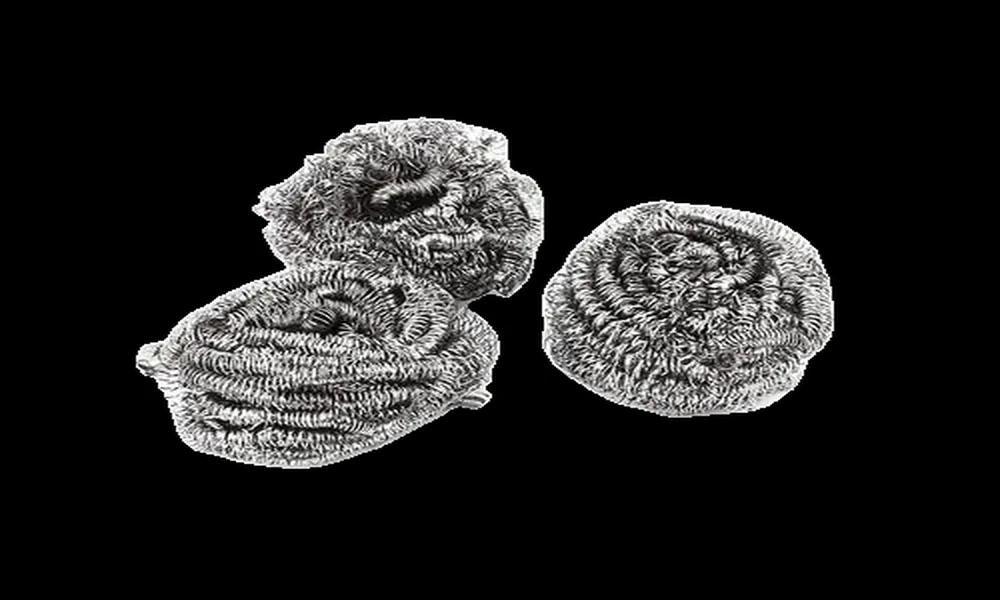
Steel scrubbers are still widely used to address hard-to-clean sticky grimes that can be difficult to remove using softer cleaning tools. Picking the appropriate one would entail a series of considerations rather than merely picking the first one on the list. This guide identifies the important variables that should be used to find the steel scrubber purchasing decisions in daily cleaning applicability.
What determines steel scrubber buying choices
Wire construction and durability
The performance of a steel scrubber is greatly influenced by the way the wire used to construct this type of scrubber is constructed. Fair trade in construction quality also helps with the determination of the products that are constructed to stand the test of time. The construction aspects of wires that can affect the purchase of steel scrubbers are:
- Tightly woven wire structure: The denser the wire is constructed the scrubber, the more powerful it scrubs stuck-on, baked residue.
- Corrosion-resistant material: Choosing a steel that does not rust will help in ensuring superior performance with time especially around wet kitchens.
- Consistent wire gauge: The uniformity of wire thickness considers that the scrubbing pressure in all parts of the surface is balanced.
- Reinforced edge stitching: Preference to scrubbers with secured d edges helps in minimizing fraying on the edge with regular and heavy usage.
Cleaning performance on tough residue
The use of steel scrubbers is usually selected bearing in mind their capacity to address especially tasking cleaning tasks. A comparison of the performance capabilities can confirm that it is suitable to the intended use. Some of the performance factors affecting the buying choice of steel scrubbers are:
- Burnt food removal capability: Select a scrubber that is capable of cutting through burnt-on food in order to clean cookware and bakeware.
- Burnt food removal capability: in choosing a scrubber, one should opt on one that will be compatible over metals in cookware and tools.
- Burnt food removal capability: Scrubbers made to handle hard scour jobs make a difference since the user can be assured as to the handling of the most tenacious dirt.
- Consistent abrasive action: Choose scrubbers that are regular in their abrasiveness so that they give a stable cleaning performance in the long run.
Surface safety considerations
Although good with hard dirt, steel scrubbers have the potential to cause harm to some surfaces when used thoughtlessly. Keeping in mind the compatibility of surfaces prevents inadvertent scratching or damage. The surface safety factors, which affect the steel scrubber purchase decisions, are:
- Suitable surface labelling: Scrubbers that specify appropriate surface compatibility should be used to make their use reasonably safe with types of cookware.
- Non-coated cookware suitability: The choice of scrubbers on non-stick or enamel results in the prevention of scarring of the metal.
- Controlled abrasiveness levels: A product developed with correct levels of abrasiveness helps in the efficient cleaning with the reduction of wearing away of the surface.
- Targeted use guidance: Prefer specific products that have straightforward usage directions to facilitate informed and certain usage.
Comfort and handling during use
The physical comfort when scrubbing influences the usefulness of a steel scrubber when it is used on a regular basis. Handling consideration is in favor of a comfortable experience in overall cleaning. Factors that pertain to comfort and handling, which affect the purchase of steel scrubbers, include:
- Manageable scrubber size: As the scrubbing motions become more comfortable, the greater the size of the scrubber you can comfortably handle.
- Reduced sharp edge risk: The use of scrubbers to reduce sharp protruding wires can help to make them easier to handle.
- Grip-friendly shape: A shape that fits in the hand will reduce the number of fatigue hours in the event of more prolonged cleaning.
- Glove compatibility: Choose scrubbers that are compatible with cleaning gloves to provide an added level of hand protection when using.
Conclusion
When selecting an appropriate steel scrubber, factors to take into account include wire construction, performance of cleaning, surface safety, comfort and maintenance of hygiene. The combination of these can help in making a secure purchase applicable to hard-housing cleaning duties.