

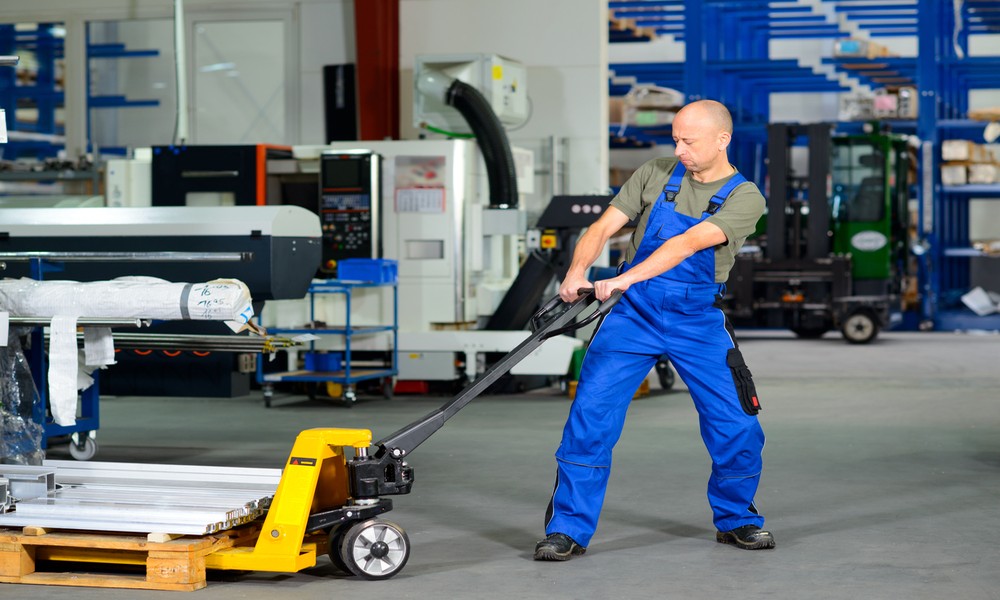
Why Moving Heavy Materials Requires More Than Just Strength
Handling heavy equipment has never been just about muscle. On job sites where large components need to be lifted, moved, or positioned precisely, the margin for error is small. One wrong move can lead to damaged equipment, lost time, or serious safety risks.
As projects have become more complex, so have the materials involved. Large units, irregular shapes, and high weight loads are now common across industries. This shift has pushed teams to look for smarter, more controlled ways to manage lifting tasks.
That is where specialized equipment comes in. Instead of relying on improvised solutions, many operations now use purpose-built systems designed to handle weight safely and efficiently. Among these, material lifting baskets have become an increasingly practical choice.
The Challenges of Handling Oversized and Irregular Loads
Not all materials are easy to move. Some are bulky, others are awkwardly shaped, and many are simply too heavy for standard lifting methods. These challenges require more than basic rigging or pallets.
When items do not fit neatly into conventional lifting setups, stability becomes a concern. Shifting loads can create dangerous conditions, especially when lifting to significant heights. Proper containment and balance are essential for safe handling.
This is why specialized baskets designed for materials are so valuable. They provide a structured, enclosed space that keeps items secure during lifting, reducing the risk of movement or imbalance.
What Material Lifting Baskets Are Designed to Do
A crane lifting basket built for materials serves a different purpose than those used for personnel. Instead of transporting workers, these baskets are designed to carry equipment, tools, and heavy loads. Their structure focuses on strength, containment, and adaptability.
These baskets are typically made from reinforced steel and built to handle substantial weight. Many are designed to accommodate common industrial items, such as drums, machinery components, or large mechanical units. Their durability allows them to perform reliably in demanding environments.
Another key advantage is versatility. Material baskets can often be used with both cranes and forklifts, depending on the setup. This flexibility makes them a useful addition across a wide range of job sites.
Built for Strength, Stability, and Control
Strength is the foundation of any material basket. These units are engineered to support heavy loads without bending or compromising structural integrity. Reinforced frames and secure welds play a critical role in achieving this.
Stability is just as important. A well-designed basket keeps the load evenly distributed, reducing the chances of tipping or shifting. Features like solid flooring and enclosed sides help keep materials in place during transport.
Control completes the picture. When attached to lifting equipment, the basket allows operators to move loads with precision. This level of control is especially important when placing materials in tight or elevated spaces.
Common Uses Across Industries
Material lifting baskets are used in a wide range of industries where heavy handling is part of daily operations. Construction sites rely on them to move building materials, tools, and equipment to upper levels. This helps streamline workflows and reduce manual handling.
Industrial settings also benefit from their use. Factories and plants often need to relocate large components or transport materials between different areas. Using a basket provides a safer and more organized method.
Maintenance and installation work is another area where these baskets prove valuable. Whether it is placing equipment on rooftops or moving heavy units into position, they offer a reliable solution.
Handling Everything From Standard Loads to Large Equipment
One of the strengths of material baskets is their ability to handle a wide range of load types. Standard items like drums or boxed equipment fit easily within their structure. This makes them ideal for routine tasks.
At the same time, they are capable of supporting much larger and heavier items. Oversized equipment, including mechanical systems, can often be accommodated with the right basket design. This flexibility reduces the need for multiple lifting solutions.
Being able to handle both standard and complex loads makes these baskets a practical investment. They adapt to different tasks without requiring constant adjustments or replacements.
Safety Considerations That Cannot Be Overlooked
Safety is at the core of any lifting operation. When dealing with heavy materials, the risks are higher, and the need for proper equipment becomes even more critical. Using a well-designed basket helps reduce many of these risks.
However, equipment alone is not enough. Proper procedures must be followed at all times. This includes inspecting the basket, verifying load limits, and ensuring that all attachments are secure before lifting.
Even though there may not always be highly specific rules for every type of material basket, general lifting safety practices still apply. Following these guidelines helps maintain a safe working environment.
Load Testing and Capacity Awareness
One of the most important aspects of safety is understanding load capacity. Every basket is designed to handle a specific weight, and exceeding that limit can lead to serious consequences. Staying within rated capacity is essential.
Load testing is often used to verify performance. Many baskets are tested beyond their rated limits to ensure they can handle real-world conditions. This provides an extra level of confidence in their reliability.
Operators also need to be aware of how weight is distributed. Even if the total weight is within limits, uneven loading can create instability. Taking the time to position materials correctly helps prevent issues during lifting.
Customization for Unique Job Requirements
Not every job fits a standard solution. Some projects involve unusual dimensions, tight spaces, or specific handling requirements. In these cases, customization becomes a valuable option.
Custom material baskets can be designed to meet exact needs. This might include adjusting dimensions, adding access points, or reinforcing certain areas. The goal is to create a solution that fits the task perfectly.
This level of flexibility allows teams to handle complex challenges more effectively. Instead of working around limitations, they can use equipment that is tailored to their situation.
Adapting to Constraints Without Compromising Safety
Job sites often come with constraints. Limited space, height restrictions, or difficult access points can complicate lifting operations. A customized basket helps address these challenges directly.
By designing around these limitations, it becomes easier to maintain both efficiency and safety. Workers can position materials more accurately and reduce the need for risky adjustments.
Customization also supports long-term use. A well-designed basket can serve multiple purposes across different projects, making it a practical investment over time.
Maintenance and Long-Term Reliability
Like any piece of industrial equipment, material baskets require regular maintenance. Keeping them in good condition ensures consistent performance and reduces the risk of failure. This includes checking for wear, damage, or loose components.
Routine inspections should be part of standard operations. Identifying small issues early can prevent larger problems later. This proactive approach helps extend the lifespan of the equipment.
Proper storage also plays a role. Keeping baskets in a clean, dry environment helps protect them from corrosion and damage. These simple steps contribute to long-term reliability.
Building Good Habits Around Equipment Use
Maintenance is not just about scheduled checks. It also involves how equipment is used on a daily basis. Following best practices during operation helps prevent unnecessary strain.
Training plays an important role here. Workers should understand how to handle baskets correctly, including loading and unloading procedures. This knowledge reduces the risk of misuse.
Creating a culture of responsibility helps ensure that equipment remains in good condition. When everyone takes ownership, it becomes easier to maintain high standards.
Why Material Baskets Continue to Gain Importance
As industries evolve, the need for efficient material handling continues to grow. Projects are becoming more complex, and the equipment used must keep up with these demands. Material baskets offer a solution that balances strength, flexibility, and safety.
Their ability to handle a wide range of loads makes them especially valuable. From routine tasks to specialized operations, they provide a consistent and reliable method for lifting materials. This adaptability is a key reason for their increasing use.
Looking ahead, improvements in design and materials will likely enhance their performance even further. As safety standards continue to evolve, these baskets will remain an essential part of modern lifting practices.
A Practical Approach to Safer, More Efficient Lifting
At the end of the day, material handling is about more than moving items from one place to another. It is about doing so safely, efficiently, and with confidence. The right equipment makes all the difference.
Material lifting baskets represent a practical step forward in achieving these goals. They simplify complex tasks and reduce the risks associated with heavy lifting. For teams that rely on precision and reliability, they are a valuable tool.
By combining thoughtful design with proper use, these baskets help create safer work environments. They turn challenging lifting operations into manageable tasks, supporting both productivity and peace of mind.