

Key Takeaways
Plasma is a critical component in many medical treatments, aiding patients with severe burns, blood disorders, and trauma; its demand is increasing by 10% annually. Every plasma donation can potentially help up to three patients, underscoring its life-saving value.
Plasma donation plays a key role in medical innovation, as it contains proteins essential for developing therapies for rare diseases and conditions, including treatments for autoimmune diseases and hemophilia.
Donors can receive financial compensation for their plasma donations, with amounts varying based on location, frequency, and promotional offers from donation centers.
Health benefits accompany plasma donation, as each session involves vital sign checks and general health assessments, offering donors consistent health monitoring alongside the emotional satisfaction of helping others.
The plasma donation process includes registration, screening, donation (which takes about 45 minutes to an hour), and post-donation care to ensure donors feel well before leaving the center.
Those interested in donating can easily locate a nearby donation center using online resources or mobile apps, enhancing accessibility for potential donors in San Diego.
When scheduling an appointment for plasma donation, it is advisable to choose non-busy times, hydrate beforehand, wear comfortable clothing, and bring necessary identification and paperwork to streamline the process.
Why Plasma Donation Matters: The Lifesaving Impact in San Diego
Understanding the Urgent Need for Plasma
You might not realize it, but plasma is a critical component in countless medical treatments. It’s not just about helping someone in immediate need; we’re talking life-saving measures in hospitals everywhere. Plasma helps patients battling severe burns, blood disorders, and emergency trauma situations.
But here’s the thing: as more people understand its importance, the demand keeps skyrocketing. According to recent statistics, the need for plasma products is growing by 10% each year. That’s not a blip on the radar; it’s a full-blown emergency. Are you aware that every donation can help up to three patients? This isn’t just about numbers; it’s about lives.
How Your Donation Fuels Medical Innovation
Wondering how a simple act like blood plasma donation in San Diego can ignite medical breakthroughs? Let me break it down. Plasma contains proteins that are essential in developing therapies for rare diseases and conditions. Your contribution today could lead to the innovation of treatments for ailments we haven’t even tackled yet.
So, let’s talk specifics. Plasma proteins are pivotal for:
- Creating immunoglobulins for immune deficiencies
- Developing clotting factors for hemophilia treatment
- Producing therapies for autoimmune diseases
This is innovation in action, fueled by your willingness to step up and donate. Just imagine the ripple effect of your generosity.
Top Benefits of Donating Plasma: Beyond the Good Deed
Financial Incentives: Cash for Compassion
Let’s get real: Donating plasma isn’t just an altruistic act; there are financial perks involved too. If you think about it, who wouldn’t want to cash in on their kindness? Here’s what you need to know.
Plasma donation centers often offer compensation that can range widely based on several factors, such as:
- The location of the donation center
- Your frequency of donations
- Current promotional offers
Most donors walk away with something tangible after each donation. Who said doing good can’t also pad your wallet a bit?
Health Perks: What’s in It for You?
You’re doing a good thing, sure, but it turns out there are some health benefits too. Curious about what you get in return? Donating plasma can actually offer you a mini health check-up every time you step through the door.
Each donation session includes:
- Vital signs checks
- Blood pressure monitoring
- General health assessments
And let’s not forget the psychological boost. Knowing that you’re helping others provides a sense of fulfillment that can’t be measured in cash. Talk about holistic benefits!
The Donation Process: What to Expect at ABO Plasma
Step-by-Step Breakdown of Plasma Donation
Nervous about the process? Relax. Here’s a clear breakdown of what to expect when you walk into ABO Plasma to donate.
1. Registration – You’ll fill out some forms, including your medical history. It’s just a formality, but it’s crucial for your safety.
2. Screening – They’ll check your vitals and blood composition. This is where they ensure you’re eligible to donate.
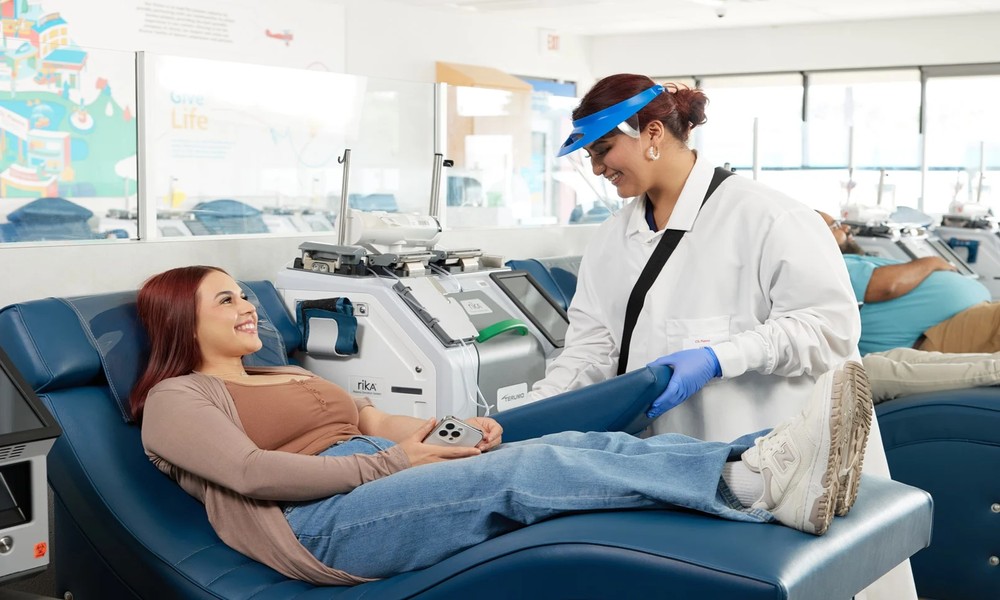
3. Donation – You’ll recline comfortably while your plasma is drawn. It typically takes about 45 minutes to an hour.
4. Post-Donation Care – Grab your snacks and hydrate. They want to make sure you’re feeling good before heading out the door.
And there you go. You’re in and out, and best of all? You’ve just helped save lives.
FAQs: Common Concerns Addressed
Got questions? You’re not alone. Here are some of the most common concerns many first-time donors have:
- Is it painful? – You might feel a little pinch, but it’s pretty mild compared to lots of medical procedures.
- How often can I donate? – Generally, you can donate plasma every 28 days. Check local regulations for specifics.
- What if I don’t feel well? – Don’t donate. Listen to your body. Your health comes first.
Still have lingering doubts? Pick up the phone. Call your local donation center for personalized answers.
How to Get Involved: Your Ultimate Guide to Plasma Donation in San Diego
Finding Your Nearest Donation Center
Not sure where to donate? No problem. Use online tools or mobile apps to locate the nearest donation center. Here’s the deal:
- Search online – Visit sites like ABO Plasma for accurate location info.
- Use maps apps – Google Maps is your friend. Type ‘plasma donation near me’ and get directions.
- Ask around – Word of mouth still reigns supreme. Talk to friends or family who may have donated.
Once you figure out your spot, you’re one step closer to making an impact.
Scheduling Your First Appointment: Tips for Success
Alright, so you found a center. Now what? Booking your first appointment is crucial. Here’s how to nail it:
1. Choose the right time – Avoid busy hours for a more relaxed experience.
2. Hydrate before – Trust me; it makes the process smoother.
3. Dress accordingly – Wear something comfy. You’ll be in a reclined position, after all.
4. Bring ID and paperwork – Have everything ready to speed up your time at the center.
Remember, the only thing you should be focused on is saving lives.
“Plasma donors are unsung heroes, and every drop counts. Your contributions not only sustain lives but also propel medical advancements.”
So, ready to roll up your sleeves and dive into plasma donation? There’s a massive opportunity here that combines monetary incentives with a chance to help those in desperate need. Don’t hesitate. Every moment counts in this game of life. Get involved, stay proactive, and remember, your plasma can make a world of difference!
FAQ
What are the eligibility criteria for donating plasma?
To donate plasma, you generally need to be at least 18 years old, weigh over 110 pounds, and be in good health. The specifics can vary by center, so it’s best to check with your local facility for any quirks in their requirements.
Can I donate plasma if I have certain medical conditions?
It depends on the condition. Many chronic illnesses will preclude you, while others might not. Always be upfront about your health history during screening — honesty is crucial for your safety and the recipient’s.
How does the donation process differ for first-timers?
First-timers typically face more screening than seasoned donors. Expect more questions about your health and perhaps an extra round of vital checks. But no worries — once you get through, it’s actually pretty straightforward.
What happens to the plasma once it’s donated?
After donation, plasma is processed and separated into its components. Some is used for urgent transfusions, while other parts get developed into treatments for various diseases. It’s a downstream journey that positively impacts countless lives.
Are there risks associated with donating plasma?
While generally safe, plasma donation can occasionally lead to minor side effects, like lightheadedness or bruising. Serious complications are rare but can happen. Listen to your body and don’t ignore any unusual symptoms afterward.
Can I donate plasma if I’ve received a vaccine recently?
Usually, the answer is yes — especially if it’s not a live vaccine. However, waiting for a few days is a good call if you’ve had something more recent. Always double-check with the donation center for their specific guidelines.
How does plasma donation compare to whole blood donation?
Plasma donation takes longer but the impact is significant because it can help multiple patients. Whole blood donation is quicker, but it might help just one person. Both are essential — knowing the difference can make your choice easier.
What should I do after donating plasma?
Hydrate like crazy and grab a snack provided at the center. Rest for a bit before leaving. Just don’t go hitting the gym hard right away; your body needs a moment to recoup after giving such a vital resource.
Useful Resources