

If you live in Altamonte Springs or anywhere in southern Seminole County, you probably know that pest problems aren’t unusual here. Surrounded by lakes and water systems, including Lake Crane, Lake Orienta, and the Little Wekiva River basin, the region has a subtropical climate typical of Central Florida. Besides high humidity, winters are considerably mild, so pest cycles persist throughout the year.
Talk to any renowned local service like Avata Pest Control in Altamonte Springs, and technicians are likely to mention Integrated Pest Management (IPM) in the conversation. Is this a vague term, or should you be enthusiastic about the option? We will discuss more in detail in this guide.
What is IPM all about?
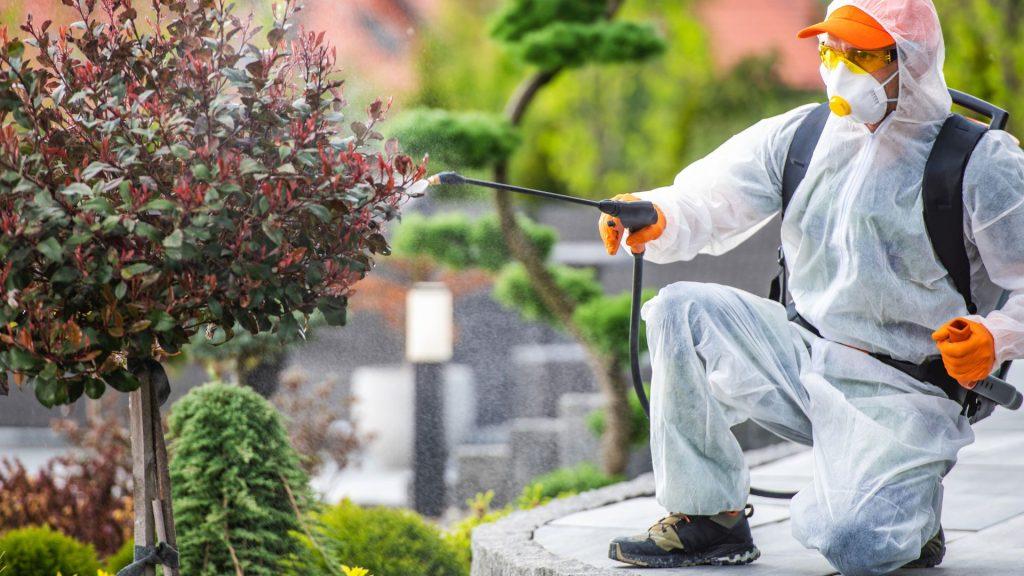
When we think of pest control, we usually assume workers in uniforms spraying chemicals around. However, in the last two decades, that approach has changed, largely due to IPM. The goal is to prevent pests and not achieve short-term success. Avata Pest Control, for example, starts with inspections, followed by monitoring, targeted treatments, and environmental modification. So, why should you care about IPM in Altamonte Springs? Firstly, pests here remain active across seasons, and life cycles of many species overlap. High moisture levels sustain insect populations, and, owing to the urban-suburban interface, pest migration occurs regularly. If you decide to react to infestations, you will continue to see more rodents and insects.
Principles of Integrated Pest Management
Let’s understand what IPM involves. Firstly, the selected pest control company will inspect the property and identify the exact species you are dealing with, which helps in tailoring the next steps. Technicians are trained to understand pest biology and behavior, so they only consider what is necessary. The company will also monitor activity on your property, ensuring all early signs are addressed. In terms of treatments, only non-chemical methods are considered first, and if there is a need to use chemicals, the approach will be targeted for affected areas or rooms and only when necessary. IPM also stresses evaluating results and adjusting strategies depending on findings.
Methods used in IPM
As we discussed briefly, IPM is more about doing better for your home and the environment. Non-chemical control is always preferred, and several methods can be used to achieve results. In case of rodents, technicians will first focus on exclusion and steps like structural sealing to prevent rats and mice from getting inside. They will either do or recommend landscape and drainage modifications, and advise on sanitation and waste management. You can also expect to get suggestions on humidity control.
The next aspect is targeted treatments, which are considered only when the action thresholds are crossed. Pest control companies will try other means and monitor your home, but if the situation reaches a certain point, they will consider spraying. Targeted treatments are focused on specific pests and affected areas. From baits and growth regulators to localized treatments, you can expect the team to work as needed.
Think beyond traditional pest control in Altamonte Springs
Many homeowners in Florida don’t want to use pest control services because of concerns related to chemical exposure and damage to the local ecosystem. IPM addresses all that and much more. All you need is a company that follows these standards for pest control in Altamonte Springs, and if you have questions, technicians will explain every detail before starting work.
So, does IPM mean paying more? Products used with this approach can be expensive than generic ones used in traditional pest control, but the difference isn’t much, especially as more exterminators offer the option. In general, this is a great way of protecting your home from pest damage and reducing environmental concerns related to pesticides.