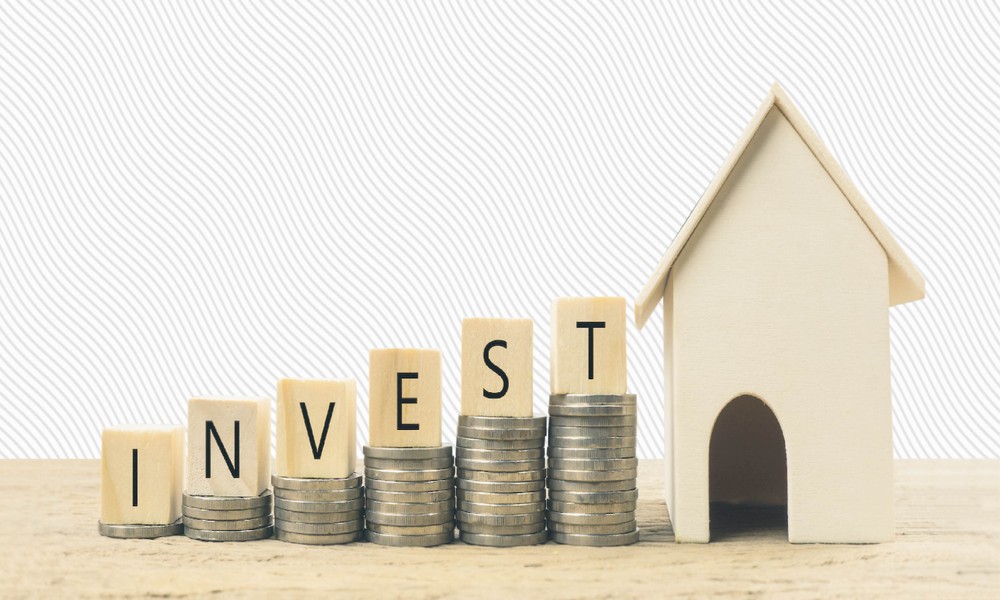
Building Wealth One Property At A Time: A Guide To Real Estate Investing
Real estate has long carried a certain mystique. Stories of people buying a modest property, holding it patiently, and later watching its value grow are part of popular culture. Yet behind those stories is a practical, often unglamorous process built on research, planning, and steady decision-making. For many, real estate is not about quick wins, but about creating something durable over time.
This article explores real estate investing from the ground up, focusing on why people choose it, how it actually works in practice, and what newcomers should understand before taking their first step. Whether you are curious, cautious, or already exploring opportunities, understanding the fundamentals helps turn ambition into informed action.
Why Real Estate Continues to Attract Investors
Tangibility in an Abstract Financial World
One reason people are drawn to property is its physical presence. You can walk through it, improve it, rent it, and insure it. Unlike purely digital investments, real estate feels concrete, which often brings a sense of control and stability.
That tangibility also allows investors to influence outcomes. Renovations, better management, or strategic timing can directly affect value, something not always possible with passive assets.
Multiple Ways to Build Value
Real estate offers more than one path to returns. Income can come from rent, appreciation over time, or a combination of both. Some investors focus on cash flow, while others prioritize long-term equity growth.
This flexibility is part of what makes real estate investing appealing across different life stages and financial goals.
Understanding the Core Investment Approaches
Buy and Hold Strategy
The buy and hold approach involves purchasing property and keeping it for an extended period. Rental income provides ongoing cash flow, while appreciation builds equity over time.
This strategy rewards patience and consistency. It often suits investors who prefer steady growth rather than frequent transactions.
Value-Add Investing
Value-add investing focuses on improving a property to increase its value. This might include renovations, better tenant management, or repositioning the property to attract a different type of renter.
The process requires more involvement but can significantly boost returns when done thoughtfully.
Short-Term Trading and Flipping
Some investors buy properties with the intention of selling quickly after improvements. While this approach can be profitable, it also carries higher risk and depends heavily on timing, budgeting, and market conditions.
For beginners, flipping often looks simpler than it is. Unexpected costs and delays can quickly reduce margins.
Financial Foundations Every Investor Should Know
Understanding Cash Flow
Cash flow is the difference between rental income and expenses. Positive cash flow means the property earns more than it costs to operate.
Expenses include mortgage payments, maintenance, taxes, insurance, and management fees. Accurately estimating these costs is essential for sustainable investing.
Leverage and Financing
Real estate allows investors to use leverage, meaning borrowed money, to control a larger asset. Mortgages make it possible to purchase property with a relatively small amount of capital upfront.
Leverage can amplify gains, but it also increases risk. Understanding loan terms and maintaining adequate reserves helps manage that balance.
The Role of Reserves
Unexpected repairs, vacancies, or market shifts are part of property ownership. Financial reserves act as a buffer, protecting both the investment and the investor’s peace of mind.
Experienced investors often view reserves not as optional, but as a core part of their strategy.
Market Research That Actually Matters
Looking Beyond Headlines
Market trends are useful, but broad headlines rarely tell the full story. Local supply, demand, and economic factors shape how individual properties perform.
Instead of chasing popular narratives, successful investors focus on fundamentals like rental demand, affordability, and long-term viability.
Understanding Demand Drivers
Employment stability, population trends, and housing supply all influence rental demand. Properties aligned with real needs tend to perform better over time.
This does not require predicting the future perfectly, just understanding why people choose to live where they do.
The Human Side of Property Ownership
Tenants as Long-Term Partners
Rental properties are not just financial assets, they are homes. Treating tenants fairly, responding to issues promptly, and maintaining the property builds trust and stability.
Good tenant relationships often lead to longer stays, fewer vacancies, and smoother operations.
Time and Energy Considerations
Real estate requires involvement, especially at the beginning. Finding properties, managing repairs, and handling paperwork all take time.
Some investors enjoy this hands-on role, while others prefer to hire managers. Knowing your own preferences helps shape a strategy that fits your lifestyle.
Risk Management in Real Estate
Recognizing Common Risks
Every investment carries risk, and real estate is no exception. Market downturns, unexpected repairs, and changes in regulations can affect performance.
Acknowledging these risks does not mean avoiding investment, it means planning for uncertainty.
Diversification Within Real Estate
Diversification can exist within real estate itself. Different property types, price points, or strategies help reduce reliance on a single outcome.
This layered approach often provides resilience during shifting market conditions.
Learning From Experience and Mistakes
Why Early Mistakes Are Common
Most investors look back and see things they would do differently. Underestimating costs, overestimating rent, or moving too quickly are common early lessons.
These experiences, while sometimes expensive, often provide valuable insight that improves future decisions.
Building Knowledge Over Time
Education in real estate comes from a mix of reading, observation, and experience. Conversations with other investors, property managers, and professionals add perspective that books alone cannot provide.
Progress is rarely linear, but steady learning compounds over time.
Long-Term Thinking and Wealth Building
Patience as a Competitive Advantage
Real estate rewards those who can think long term. Appreciation, loan amortization, and rent growth all unfold gradually.
In a world that often values speed, patience becomes a quiet advantage.
Adapting as Goals Change
An investor’s goals at the beginning may not be the same years later. Some shift from growth to income, others from active to passive involvement.
Real estate allows for these adjustments, making it a flexible tool for different phases of life.
Common Misconceptions About Real Estate Investing
It Is Not Always Passive
While some describe property investing as passive income, it usually requires effort, especially early on. Systems and teams can reduce involvement, but oversight remains important.
Understanding this upfront helps set realistic expectations.
It Is Not Reserved for Experts Only
Many successful investors started with limited experience. What mattered was their willingness to learn, plan, and adapt.
Real estate is accessible, but it rewards preparation.
A Balanced Perspective on Getting Started
Start Small and Learn Deeply
Beginning with one manageable property allows new investors to learn without becoming overwhelmed. Each step builds confidence and clarity.
There is no requirement to scale quickly. Sustainable growth often comes from measured decisions.
Aligning Strategy With Personal Values
Some investors prioritize financial returns, others focus on community impact, stability, or long-term security. Clarifying personal values helps shape decisions that feel meaningful, not just profitable.
This alignment often leads to greater satisfaction over time.
Final Thoughts on Real Estate as a Wealth Tool
Real estate investing is not a shortcut, but it can be a powerful path. It blends financial strategy with real-world problem solving, offering opportunities to build income, equity, and long-term security.
Success comes less from timing the market and more from understanding people, numbers, and patience. For those willing to approach it thoughtfully, real estate can become not just an investment, but a steady foundation for future goals.