How to Choose the Right Food Packaging Bags for Your Products
Choosing the right food packaging bags is one of the most important decisions any food business can make. Whether you’re selling snacks, baked goods, frozen foods, or gourmet items, the type of packaging you use directly affects freshness, shelf appeal, and customer trust. With so many options available today, it can feel overwhelming—but focusing on the right factors can help you select the perfect solution for your brand.
1. Consider the Type of Food You’re Packaging
Different foods have different storage and protection needs. Dry goods like nuts or cereals require moisture-resistant packaging, while products such as coffee, spices, or premixes may need barrier layers to protect aroma and flavor. Frozen foods need thick, durable bags that can withstand low temperatures without tearing.
Understanding your product’s properties—moisture level, texture, aroma, and shelf life—helps you narrow down the most suitable packaging bags for food.
2. Choose the Right Material
Food packaging materials vary widely, and each serves a different purpose. Common options include:
- Polyethylene (PE): Flexible, affordable, great for general food use.
- Polypropylene (PP): Offers higher clarity and better moisture protection.
- Multi-layer barrier films: Ideal for items that require oxygen, light, or moisture protection.
Choosing the correct material ensures that your product stays fresh while still being cost-effective.
3. Decide on the Best Bag Style
The style of the bag influences convenience, shelf presentation, and functionality.
Popular styles include:
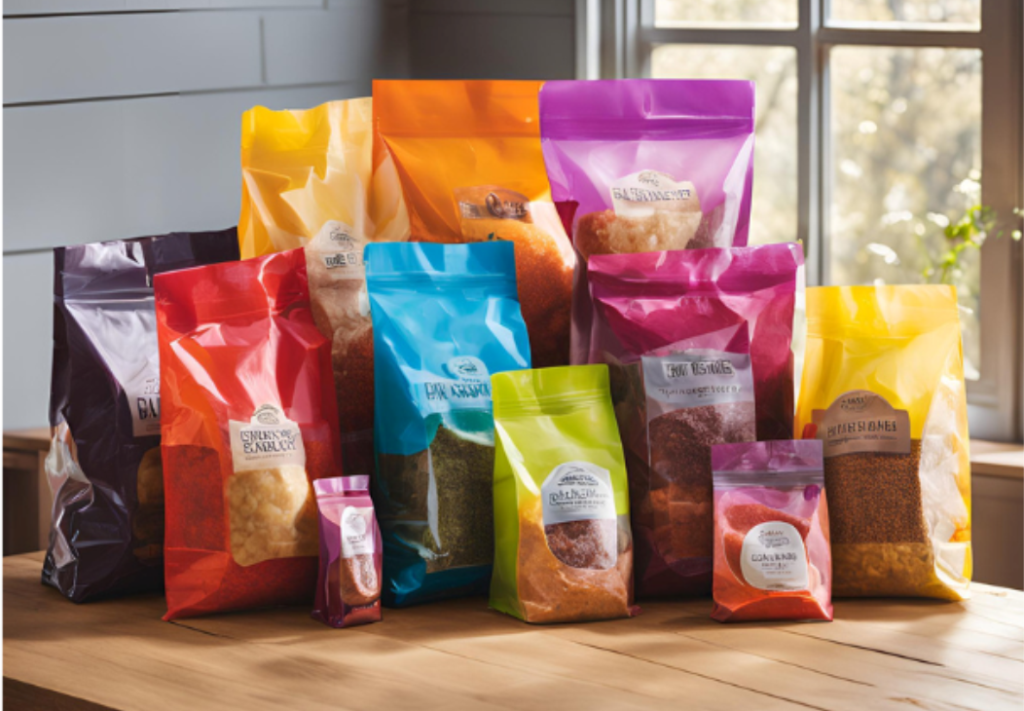
- Stand-up pouches: Great for snacks, powders, and retail displays.
- Flat pouches: Compact and economical for small products.
- Zip-lock bags: Offer resealability and ease of use.
- Vacuum-sealed bags: Perfect for meat, cheese, and perishable foods.
Matching the bag style to your customer’s convenience improves the overall product experience.
4. Look Into Custom Branding Options
In today’s competitive food market, packaging isn’t only about protection—it’s also about branding. A custom food packaging bag allows your business to showcase its logo, brand colors, and product information professionally.
Custom prints help your products stand out on shelves and build brand recognition. Whether you choose vibrant graphics or minimalist designs, investing in custom packaging can significantly impact customer perception.
5. Ensure Food Safety and Compliance
Always choose packaging that is food-grade and meets regulatory standards. Food safety laws vary by country, so make sure your supplier provides certified materials suitable for direct food contact. Proper packaging prevents contamination and ensures your product remains safe for consumption.
6. Consider Sustainability
Eco-friendly choices are becoming increasingly popular. If your business values sustainability, look for recyclable or biodegradable food packaging bags. These options appeal to environmentally conscious customers while helping reduce waste.
Final Thoughts
Selecting the right packaging bags for food is essential for preserving quality, enhancing branding, and offering a great customer experience. By considering your product’s requirements, choosing the right materials, and exploring custom options, you can ensure your food items stay fresh and look appealing on the shelf. With the right food packaging strategy, your brand can stand out and build stronger customer loyalty.